
Zach Wise
Designer / Developer
Building tools for storytellers, from TimelineJS to AI agents. Founder of Tessera, professor at Northwestern and faculty lead of Knight Lab.
Zach Wise is a Pulitzer, Peabody and Emmy-winning designer and developer, and a Professor at Northwestern University.
As faculty lead of Knight Lab, he has led the design and development of TimelineJS, StoryMapJS and other open-source tools. TimelineJS alone has been used to make more than 1 million timelines, viewed over 1 billion times.
He created Knight Lab Studio and has run it for 12 years, leading teams of journalism, computer science and design students. Since 2023 that work has centered on generative AI research, from auditing bias in image models to building autonomous news agents. He also teaches AI across most of his Medill courses.
Before Northwestern, Wise was Senior Multimedia Producer for the Las Vegas Sun, where his video and interactive on Construction Deaths on the Strip contributed to the paper's first Pulitzer Prize.
In 2008, he joined The New York Times' multimedia team, where his work earned a Peabody and an Emmy. He helped launch the Times' Lens photography blog and shot short documentaries for The New York Times Magazine.
His work began at Ohio University, where as a visiting professor in the School of Visual Communication he founded Soul of Athens. A native of Athens, Ohio, he holds a master's degree in photojournalism from Ohio University.
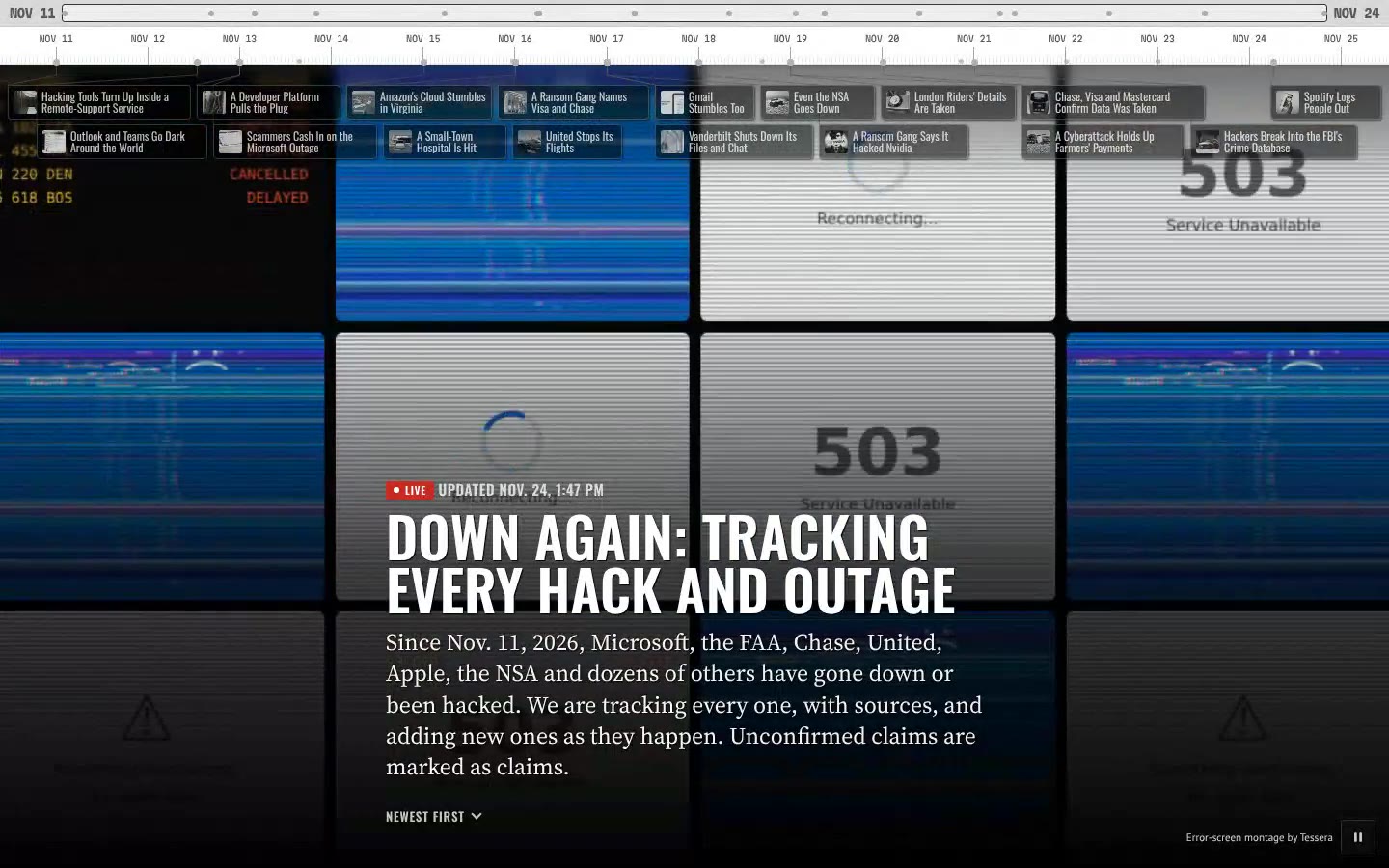
TimelineJS was built for one person, a spreadsheet and a desktop screen. Stories travel differently now, so I started over.
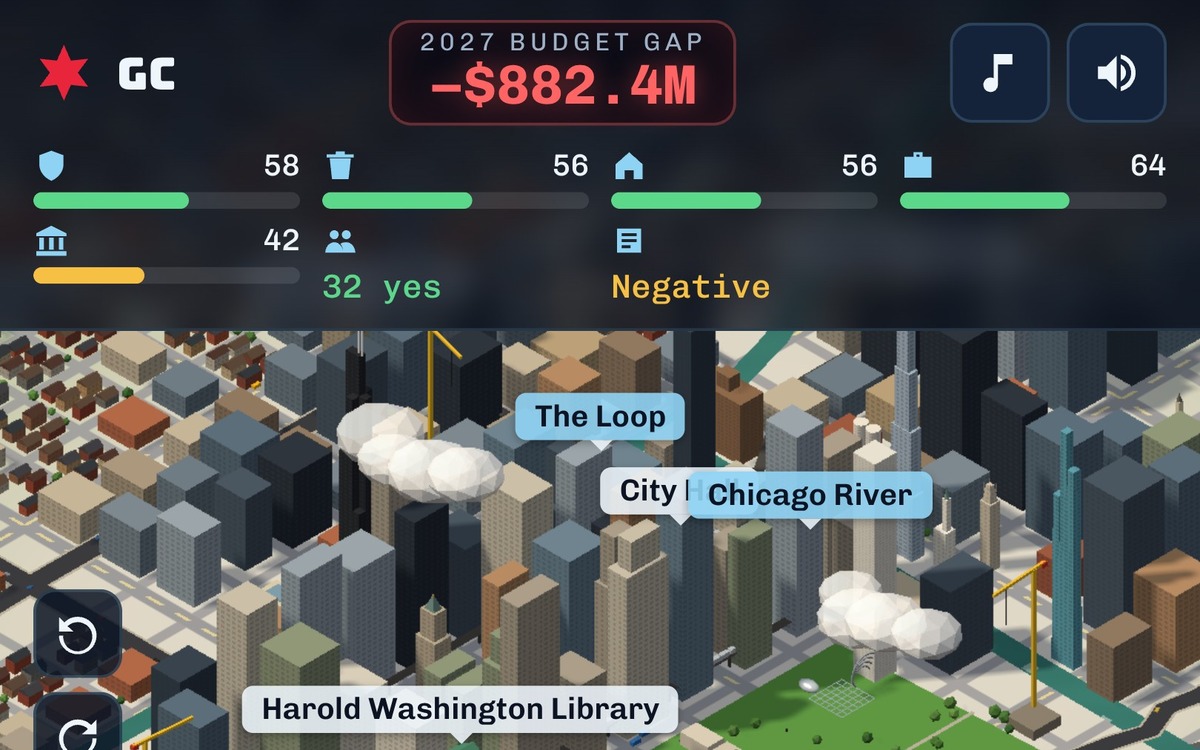
Chicago's budget is $882 million short. I built a 3D game about it with an AI coding agent in 29 minutes. The code wasn't the hard part.
Since 2023, I've led Knight Lab Studio teams in prototyping how newsrooms can use generative AI, and how to hold it accountable.

As people get more of their news through AI assistants, the story itself is no longer the only product. The part that matters is the verified reporting underneath it. Bedrock asks what a reporter should hand to the machines, and packages that human ground truth so AI agents can build on it without making things up.
Read More
How a story lands in different communities is central to trust, but most newsrooms can't afford focus groups. Mirror lets a journalist interview AI digital twins of real audience segments about a draft before it runs, and asks how to make those twins authentic, stable and honest about what they are.
Read More
Starting in 2023, well before AI-generated video flooded every feed, Studio teams set out to prove that AI hosts could write, voice and publish their own short news videos. Over three terms they went from a local model reading articles aloud to autonomous agents with distinct personalities. The outputs were rough, sometimes cringeworthy, and that was part of the lesson: the project showed what was coming, and where the real value ends and the uncanny valley begins.
Read More
Plenty of news stories have no image to go with them, and AI image generators look like an easy fix until you see who they picture as a construction worker or a social worker. This multi-year Studio project built an article-to-illustration pipeline, ran into the bias built into the models, and ended up building a tool to measure it.
Read More
Open to advising, partnerships and senior roles leading design, product and engineering for creative and AI tools, plus talks.
Get in touch